SciMed
Manual Differential Blood Cell Counter — 8-Key Hematology (Baso/Eos/Neut/Lymph/Mono...) with Totalizer, Rexin Case
Manual Differential Blood Cell Counter — 8-Key Hematology (Baso/Eos/Neut/Lymph/Mono...) with Totalizer, Rexin Case
Couldn't load pickup availability
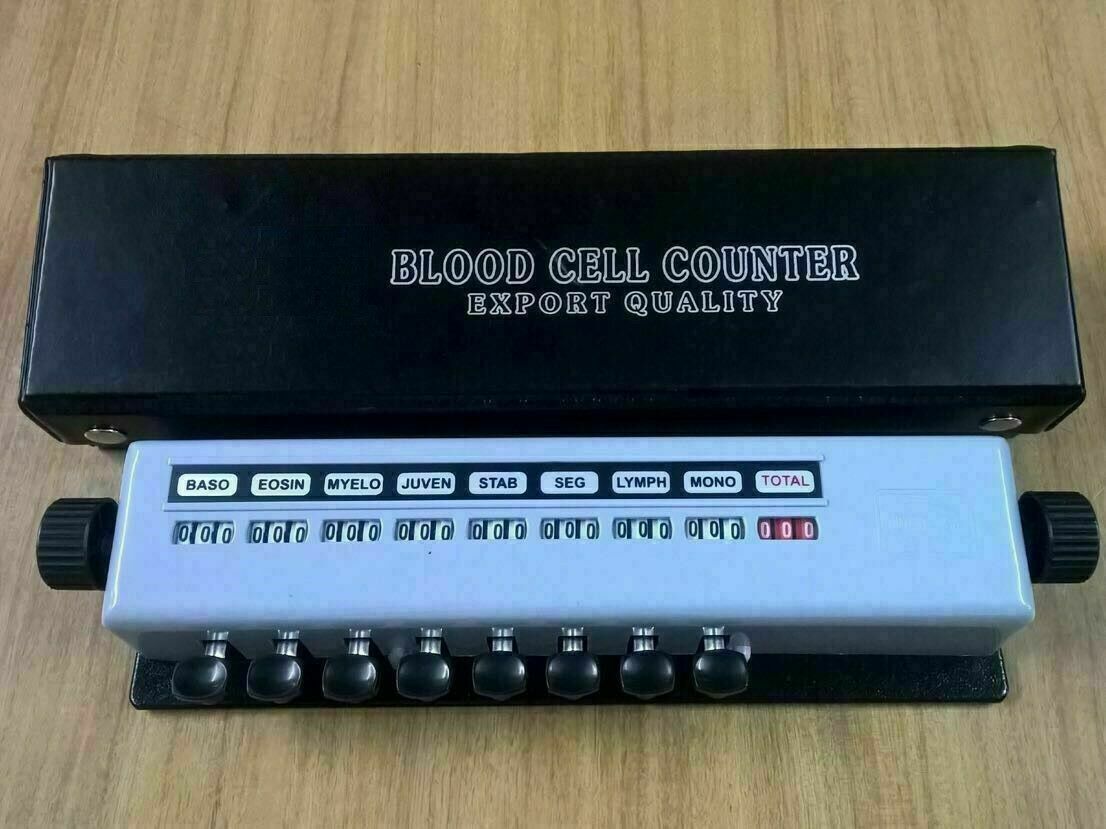
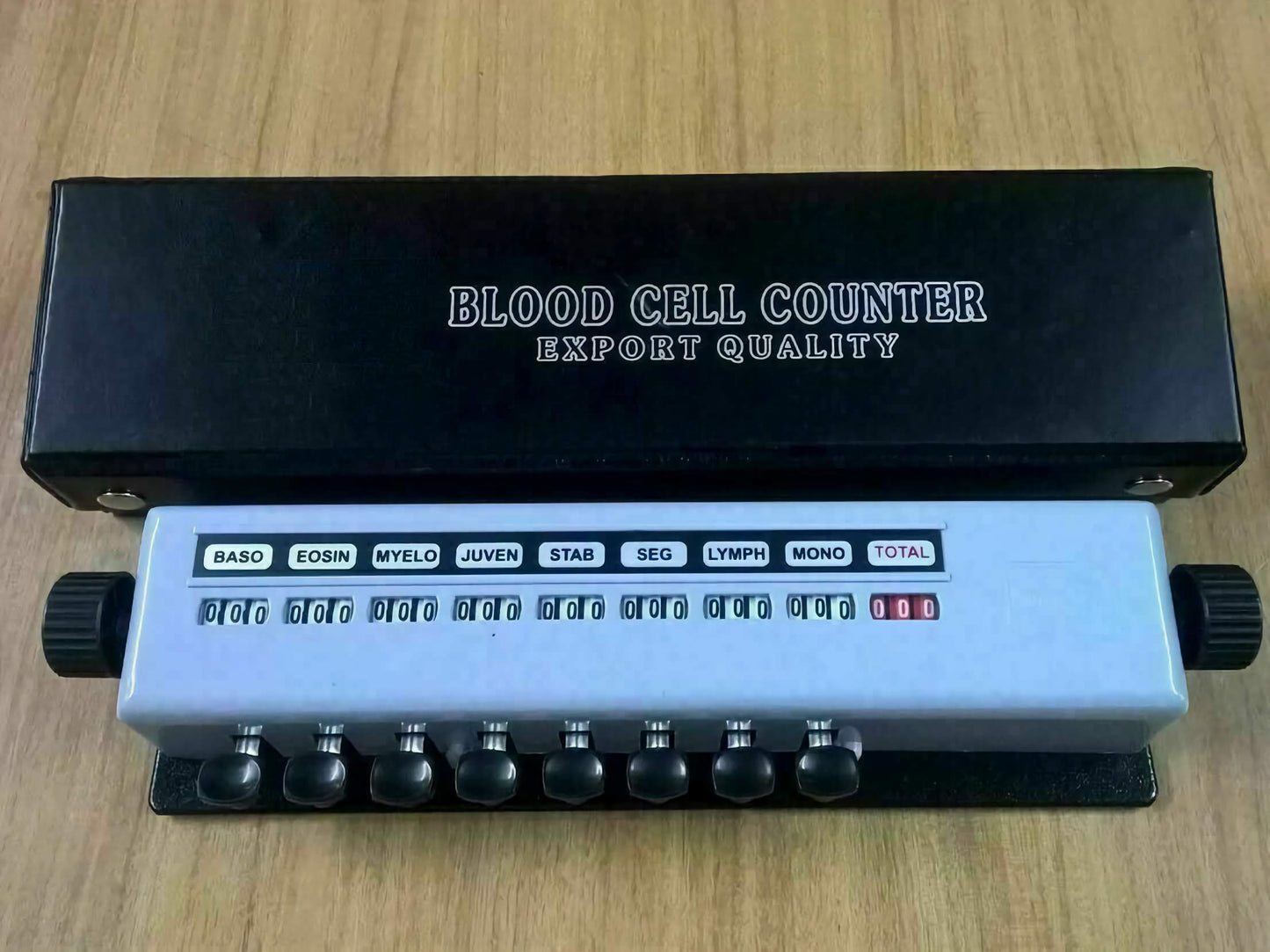
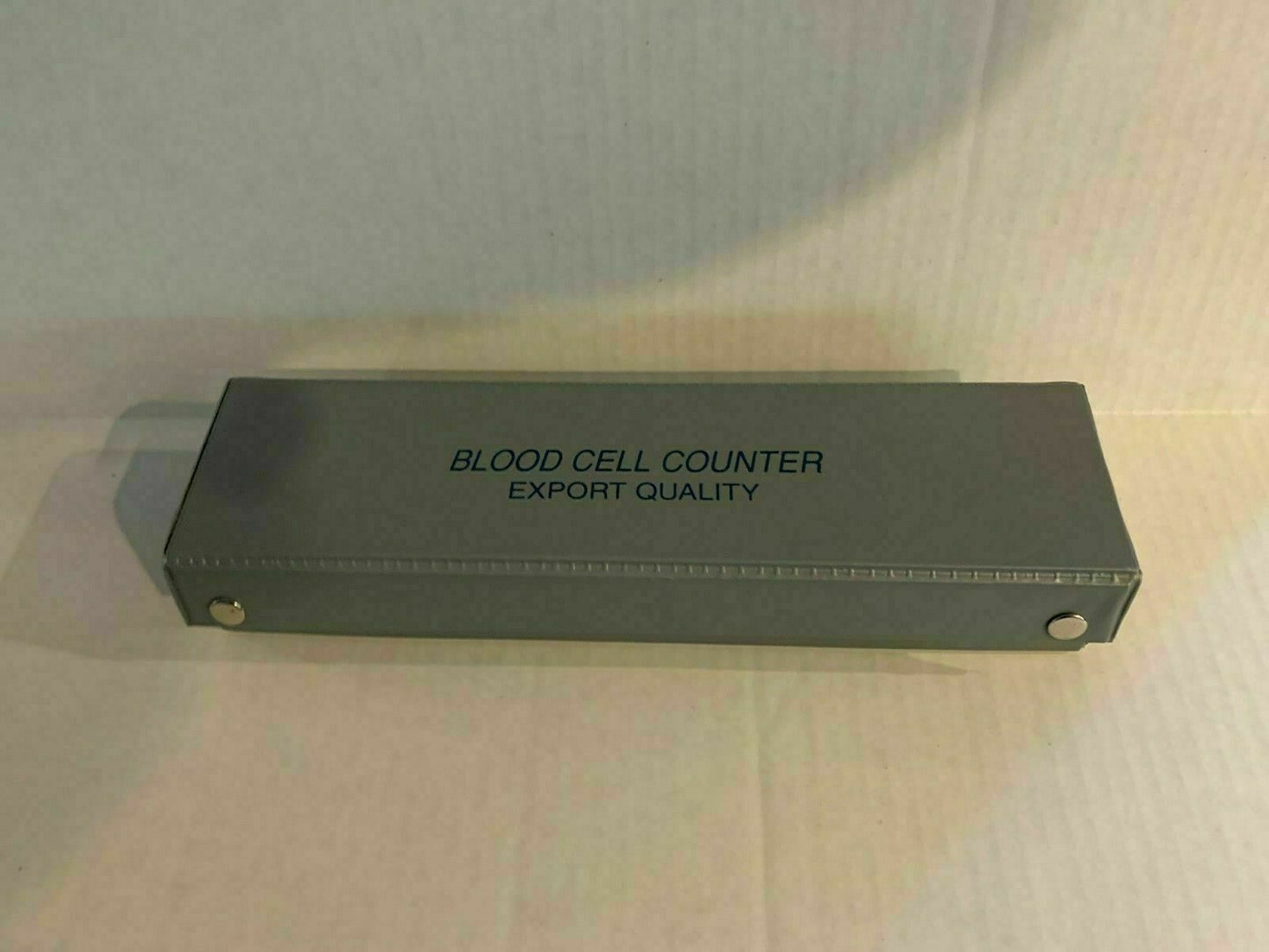
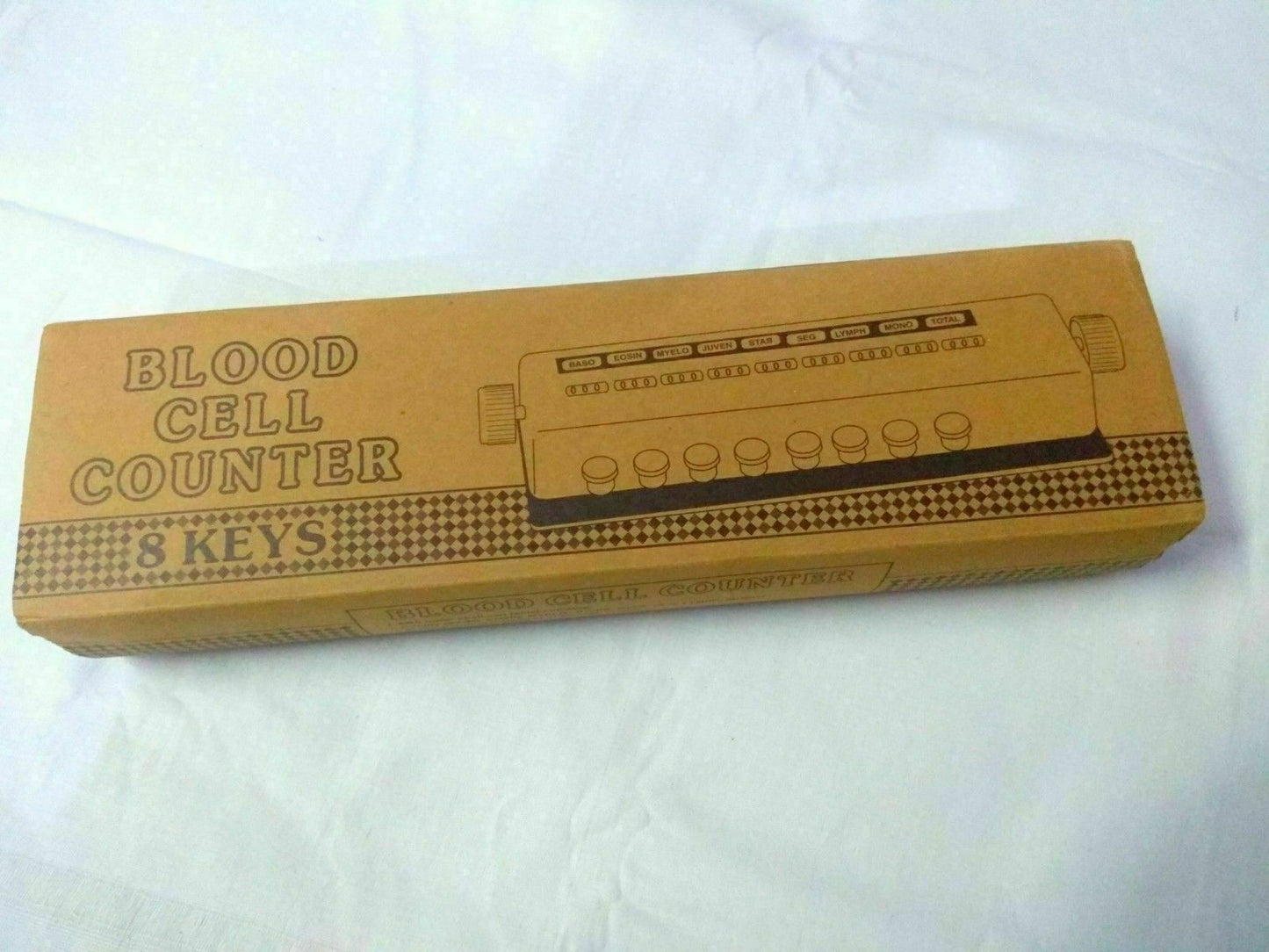
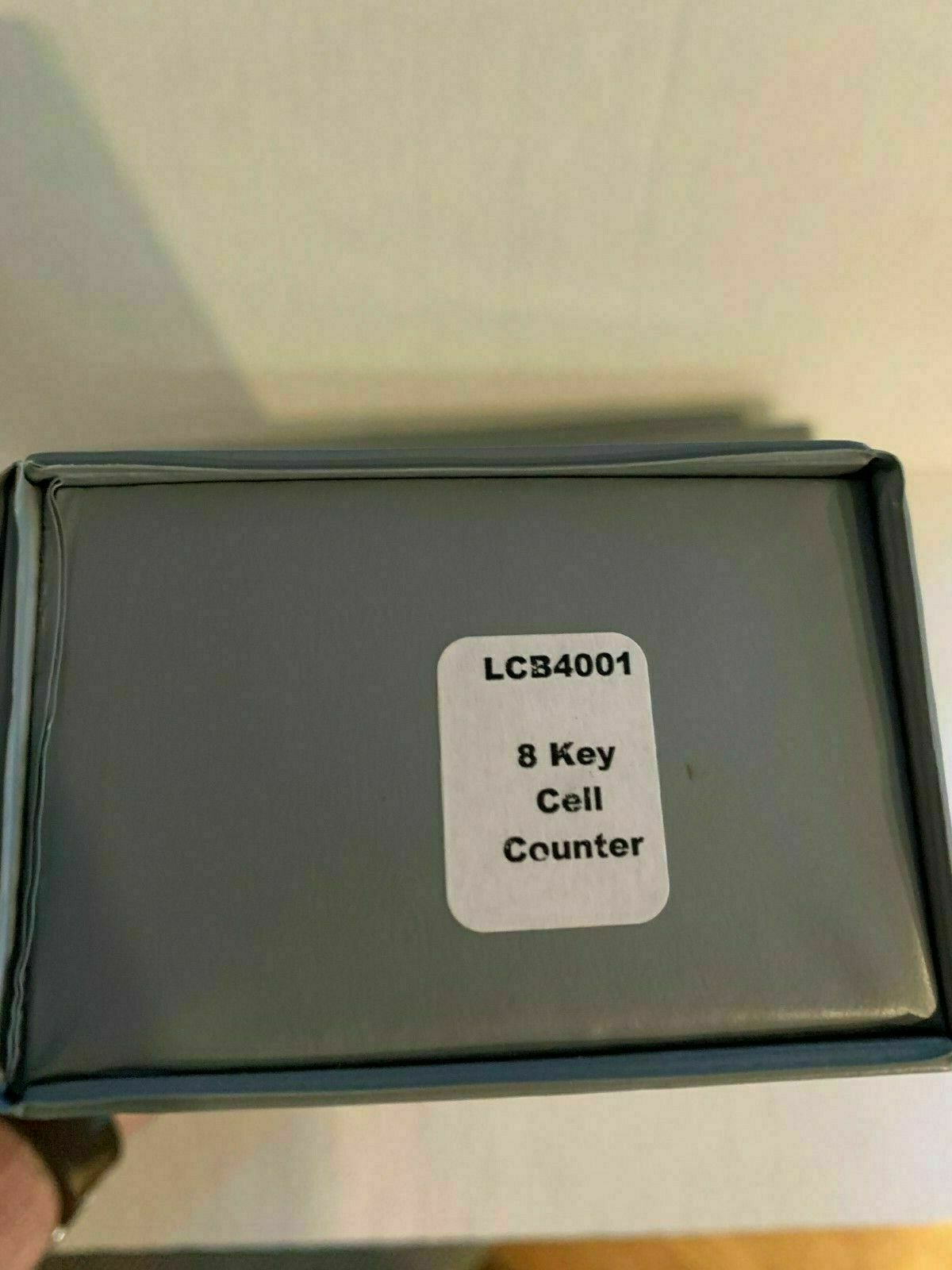
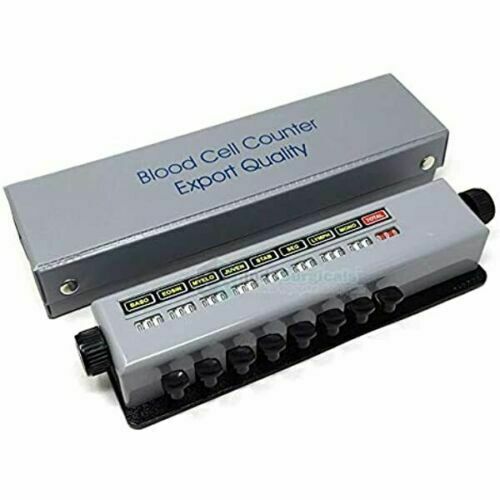
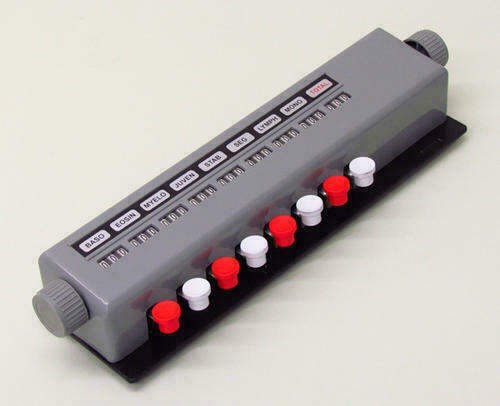
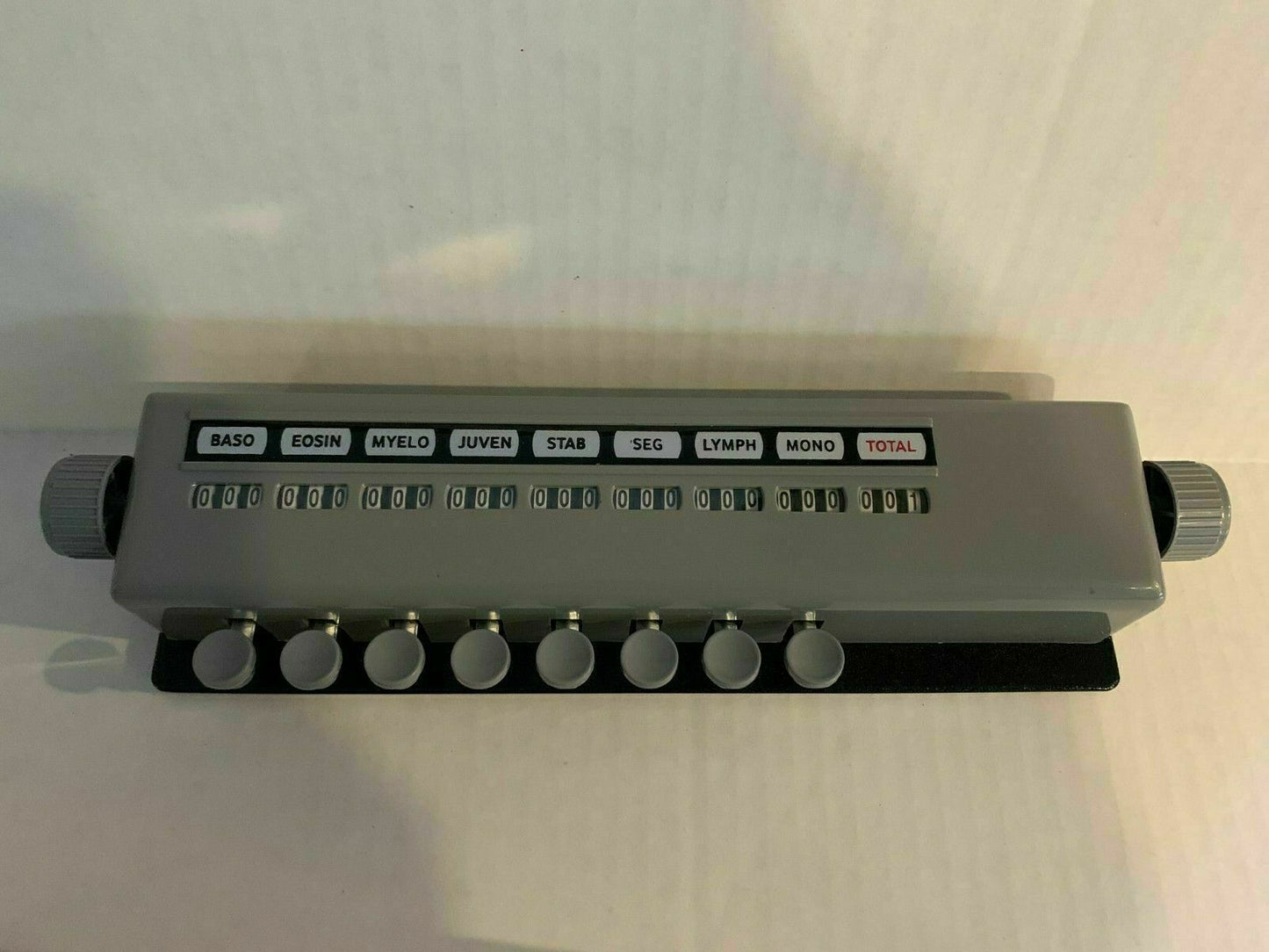
Manual differential blood cell counter — the essential tabletop instrument for hematology lab WBC differential counts under microscope. 8 keys labeled for standard leukocyte types: Basophil, Eosinophil, Myelocyte, Juvenile, Stab (band), Segmented (mature neutrophil), Lymphocyte, Monocyte. 9th window is the totalizer summing all 8 categories. Each key increments 0-999 with audible bell at every 100th total count (helps operator know when to stop the 100-cell differential). ABS collision-resistant outer shell, dual-side reset knobs clear all numbers to zero, individually packed in laminated cardboard box with thick foam + Rexin (leatherette) protective case. $199 direct.
Key labeling — standard hematology categories
| Key | Category | Normal % (adult) |
|---|---|---|
| 1 | Basophil | 0-1% |
| 2 | Eosinophil | 1-4% |
| 3 | Myelocyte | 0% (abnormal — bone marrow only) |
| 4 | Juvenile (Metamyelocyte) | 0% (abnormal) |
| 5 | Stab (Band neutrophil) | 0-5% |
| 6 | Segmented (Neutrophil) | 50-70% |
| 7 | Lymphocyte | 20-40% |
| 8 | Monocyte | 2-8% |
| Totalizer | Sum of all 8 | Should = 100 at differential completion |
Applications
- Hematology lab WBC differential — 100-cell differential count on peripheral smear
- Clinical pathology — CBC differential confirmation on abnormal automated counts
- Bone marrow examination — 500-cell differential (myeloid + erythroid + lymphoid lineages)
- Veterinary hematology — canine/feline/equine WBC differential
- Medical school teaching — hematology + pathology lab courses
- Community hospital labs — manual backup when automated hematology analyzer down
- Rural + resource-limited clinical labs — where automated analyzers unavailable
- Research hematology — animal model + specialty cell counting
Best for
- Hospital + clinical hematology labs (manual differential + automated confirmation)
- Community + rural hospital labs
- Veterinary diagnostic labs
- Medical school teaching labs
- Pathology fellowship + residency training
- Research hematology + oncology labs
- International hospital labs via DDP — huge market where automated hematology is cost-prohibitive
Buying for a hospital lab, teaching program, or veterinary lab?
- Volume pricing on 3+ orders — teaching lab fleets, hospital chain procurement
- Net-30 invoicing for verified accounts
- SAM.gov / VA compliant for VA + military hematology
- Bulk academic pricing (10+ orders for teaching lab stocking)
- International DDP shipping — LMIC hematology capacity building
FAQ
How does this compare to Sartorius / Aditek / Weber Scientific cell counters?
Feature parity — 8 keys + totalizer, audible 100-bell, ABS shell, individual case. Premium OEMs have slightly better key action + longer warranty. Price differential: $199 vs $400-$800 premium OEMs. For general hematology + teaching + veterinary use, SciMed delivers full clinical utility at ~25-50% of OEM pricing.
Why "Myelocyte" + "Juvenile" keys when those are abnormal?
Standard hematology cell counter labeling for bone marrow differential + acute leukemia workup — when patient blood smear shows immature forms, you need dedicated keys for accurate percentage. Both keys stay at 0% for normal peripheral blood but are essential for oncologic hematology.
Does the audible bell work in high-noise labs?
Standard mechanical bell — audible in typical clinical lab environments. In very high-noise labs (automated analyzer rooms), the bell may be difficult to hear over ambient. Visual totalizer window still works as backup count indicator.
Share