SciMed
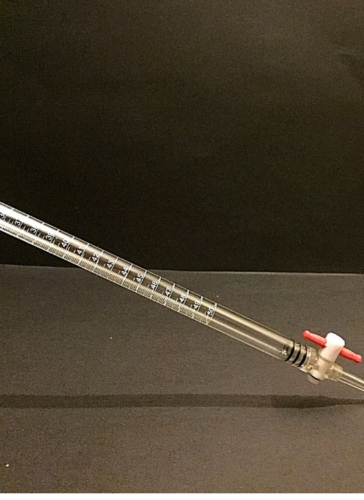
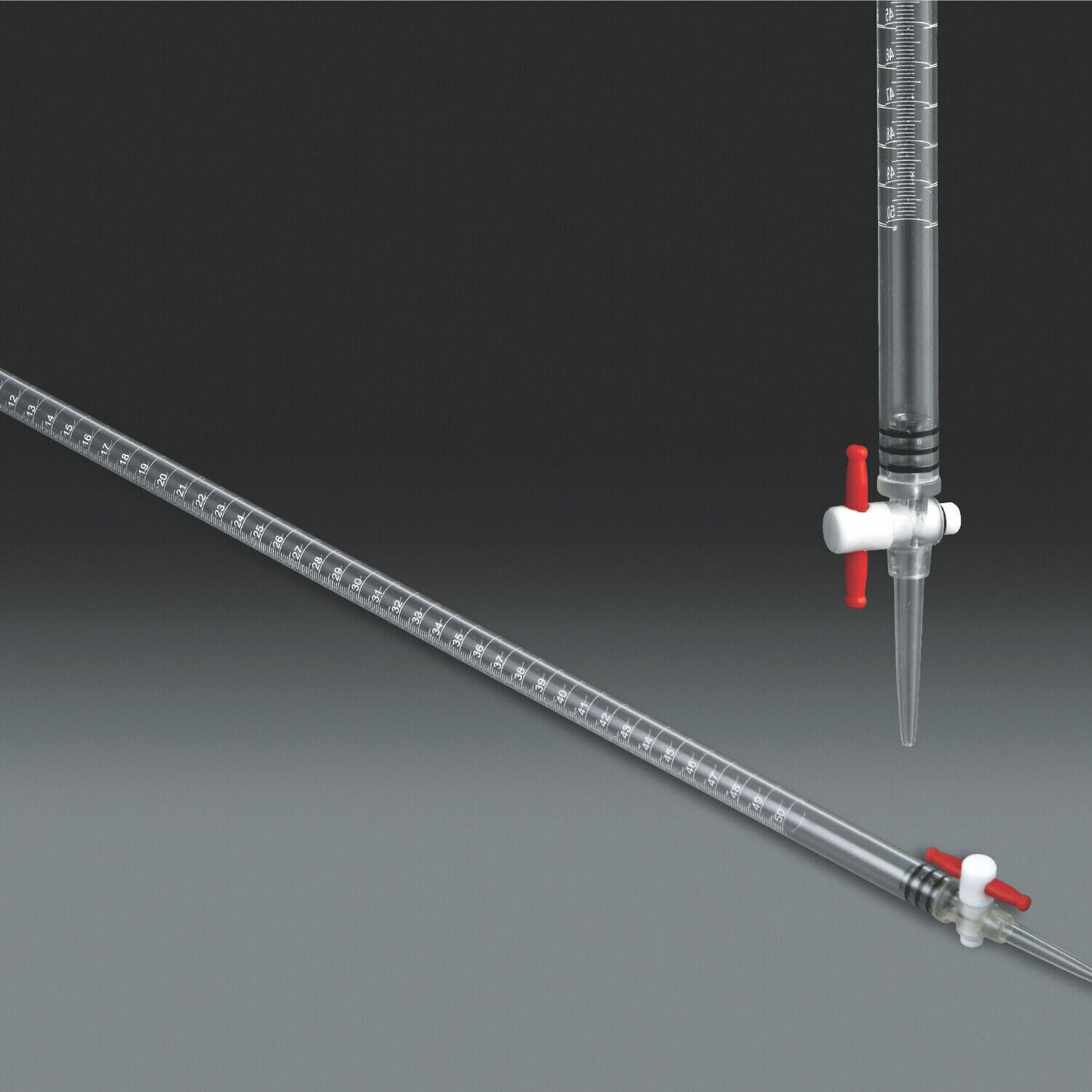
TPX Plastic Burette, 25 to 100 mL, Individually Calibrated
TPX Plastic Burette, 25 to 100 mL, Individually Calibrated
Couldn't load pickup availability
Individually-calibrated TPX plastic burette for analytical titration, chemistry teaching, and quality control labs, with PTFE stopcock for leak-proof precision and glass-alternative durability that doesn't shatter when dropped. Transparent acrylic (Polymethyl methacrylate / TPX) body, 0.1 mL graduation, self-lubricating PTFE plug in the stopcock. Each burette is individually calibrated at manufacture for maximum volumetric accuracy. Compatible with dilute mineral acids/bases pH 1-14 (up to 5% w/w acids or 30% w/w bases). $99 per burette (any size, 25 mL / 50 mL / 100 mL). PolyLab brand, sourced through SciMed.
Variant Selection
| Variant | Best For | Price |
|---|---|---|
| 25 mL | Micro-titration, small-volume analytical (rare in undergraduate; common in research) | $99 |
| 50 mL | Standard analytical and undergraduate teaching workhorse (the most-used size) | $99 |
| 100 mL | Larger titrations, industrial QC, water quality COD/BOD titration | $99 |
TPX Plastic vs Glass Burette: Which Do You Need?
TPX plastic (this burette) = shatter-proof (no glass-shard cleanup), lighter, doesn't break when a student knocks over the retort stand. Compatible with dilute acids and bases pH 1-14. Not compatible with organic solvents (dissolves acrylic) or Hydrofluoric acid / concentrated Ammonium Hydroxide. Glass burette = chemically universal (compatible with organic solvents), harder scratch-resistant surface for repeated cleaning. But fragile, expensive to replace after breakage. For undergraduate teaching, water quality, acid-base titration, TPX wins on cost and safety. For organic chemistry titration or research where organic solvents are used, use glass.
Applications
- Undergraduate chemistry teaching: acid-base titration (the classic quantitative analysis experiment)
- Analytical chemistry QC: Karl Fischer moisture titration, redox titration, complexometric titration
- Water quality testing: alkalinity, hardness and chlorine titration (municipal water labs)
- Environmental analysis: waste water COD (dichromate) and BOD (Winkler) titration
- Pharmaceutical QC: API assay by titration (per USP <541> methodologies)
- Food and beverage QC: acidity titration (dairy, wine, juice)
- High school and community college chemistry: safer alternative to glass in teaching labs
- Field water testing kits: portable and drop-safe titration equipment
Specifications
| Material | Polymethyl methacrylate (PMMA) / TPX plastic, transparent, chemical-resistant to acids and bases |
|---|---|
| Graduation | 0.1 mL (standard analytical resolution) |
| Stopcock | PTFE (Teflon) with self-lubricating plug and retaining O-ring |
| Calibration | Individually calibrated at manufacture (each burette tested) |
| pH Compatibility | pH 1-14 · up to 5% w/w acids · up to 30% w/w bases |
| NOT Compatible With | Hydrofluoric acid · Ammonium Hydroxide · organic solvents (alcohols, ketones, chlorinated solvents) |
| Cleaning | Mild soap or detergent solution · NO acid cleaning solutions · NO wire brushes |
| Included | Burette · PTFE stopcock (pre-installed) · retaining O-ring |
Care Instructions
- Do NOT expose to organic solvent or alcohol: acrylic body will craze / dissolve
- Always clean with mild soap or detergent solution and warm water
- Avoid acid cleaning solutions (chromic acid, aggressive acid mixtures)
- NO wire-handled brushes: scratches the acrylic wall and affects clarity/reading
- PTFE stopcock removal: squeeze retaining O-ring gently and slip the plug off for cleaning; reassemble with the O-ring aligned
- Rinse thoroughly after each use to prevent titrant crystallization inside the stopcock
Best For
- Undergraduate, high school and community college chemistry teaching labs (safer than glass)
- Water quality and environmental testing labs
- Pharmaceutical and nutraceutical QC labs
- Food and beverage QC labs
- Field water testing NGOs and agencies (drop-safe)
- International DDP lab procurement (breakage-loss reduction in shipping)
Buying for a Teaching Lab or QC Facility?
- Volume pricing on 5+ burettes (equip a full teaching bench)
- Net-30 invoicing for verified academic and QC accounts
- SAM.gov compliant for federal and academic labs
- Bundle with retort stands, burette clamps, volumetric flasks and graduated cylinders
- International DDP shipping, chemistry teaching and QC procurement globally
FAQ
Why TPX plastic vs standard PMMA?
TPX (polymethylpentene) has slightly better chemical resistance and higher clarity than standard PMMA. Both are used in this burette family. Either is fine for standard aqueous titration. Practical difference is negligible for teaching and QC use.
Comparable to Cole-Parmer / Fisher plastic burettes?
Feature parity, PMMA/TPX body, PTFE stopcock, 0.1 mL graduation, individually calibrated. Cole-Parmer and Fisher branded plastic burettes typically $180-$280 each. SciMed at $99 delivers same functional accuracy at ~40-55% of OEM pricing.
Accuracy compared to glass?
Glass Class A burettes: ±0.05 mL typical (highest precision, for compendial analytical work). Plastic burettes: ±0.1-0.2 mL typical (adequate for teaching, water QC, general analytical). For pharma release testing requiring Class A precision, use glass. For teaching and routine QC, plastic is fully sufficient.
PTFE stopcock replacement?
PTFE plugs wear over 5-10 years of daily use. Replacement PTFE stopcocks available on request. Symptoms of worn stopcock: leaks past the closed position, sticky rotation, uneven flow control. Replace before continuing precision titration work.
User Manual (PDF)
Download the Instructions for Use (PDF)
Browse all manuals by category at scimedstore.com/pages/user-manuals. Need a digital or printed copy, or have a question? Email sales@scimedstore.com.
Share