SciMed
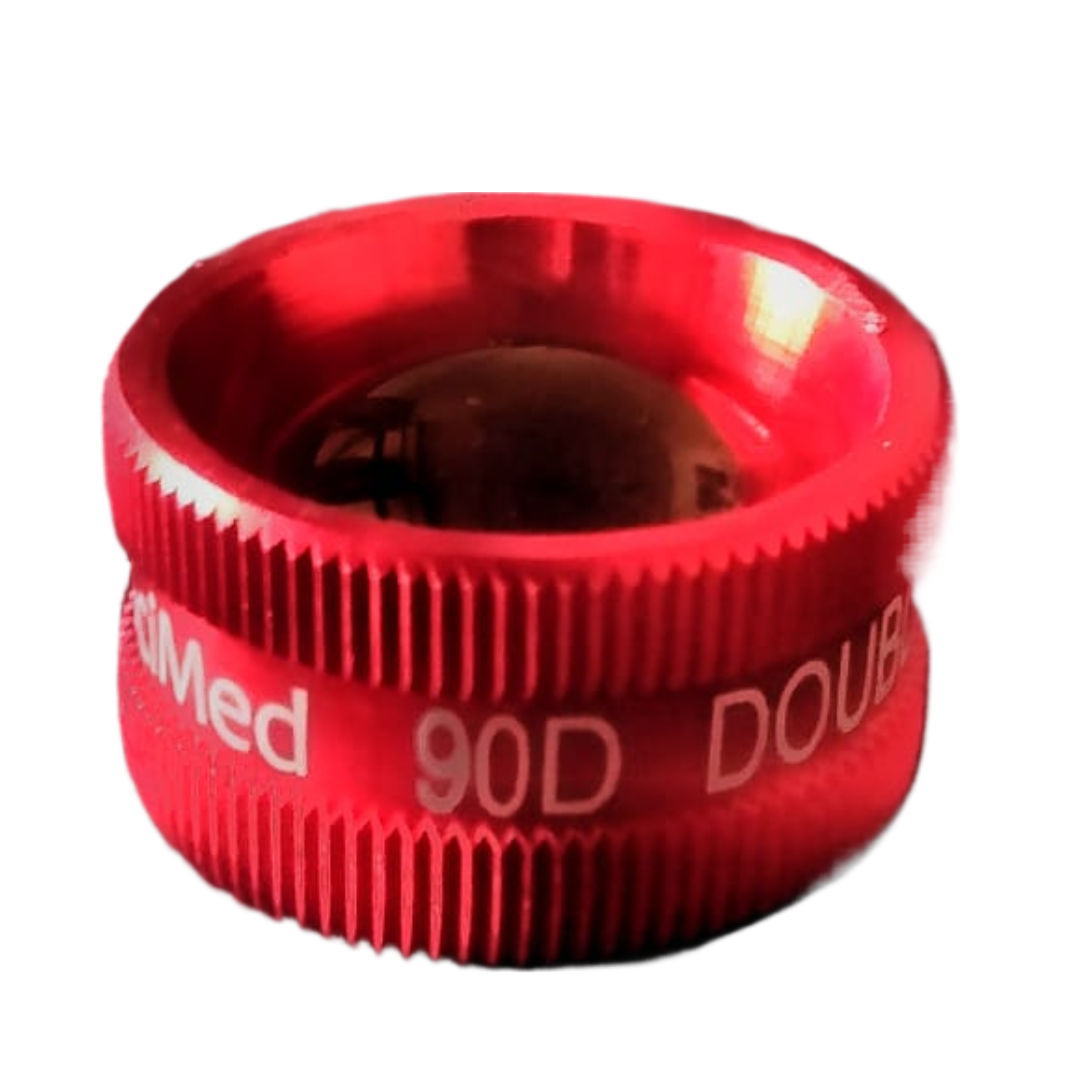
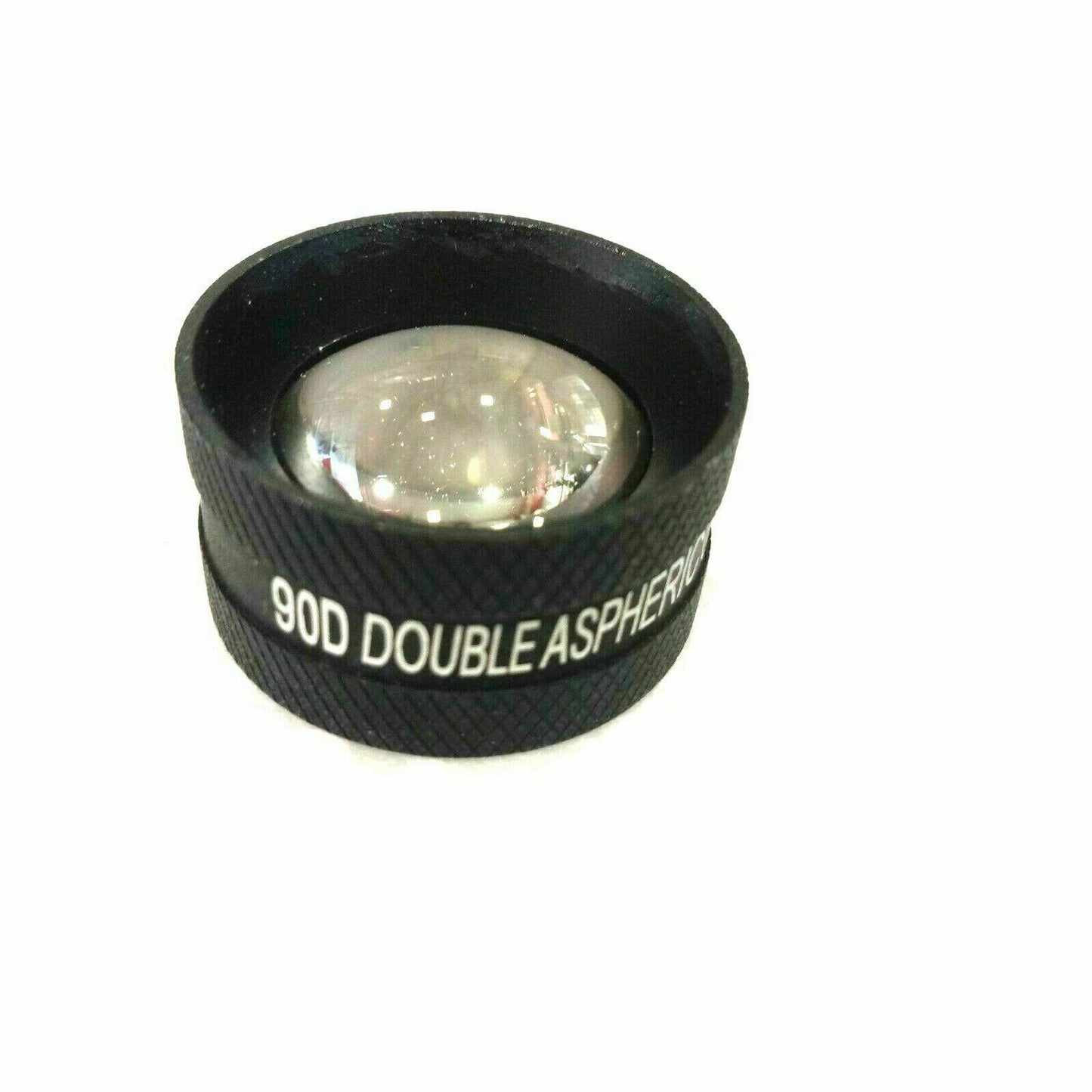
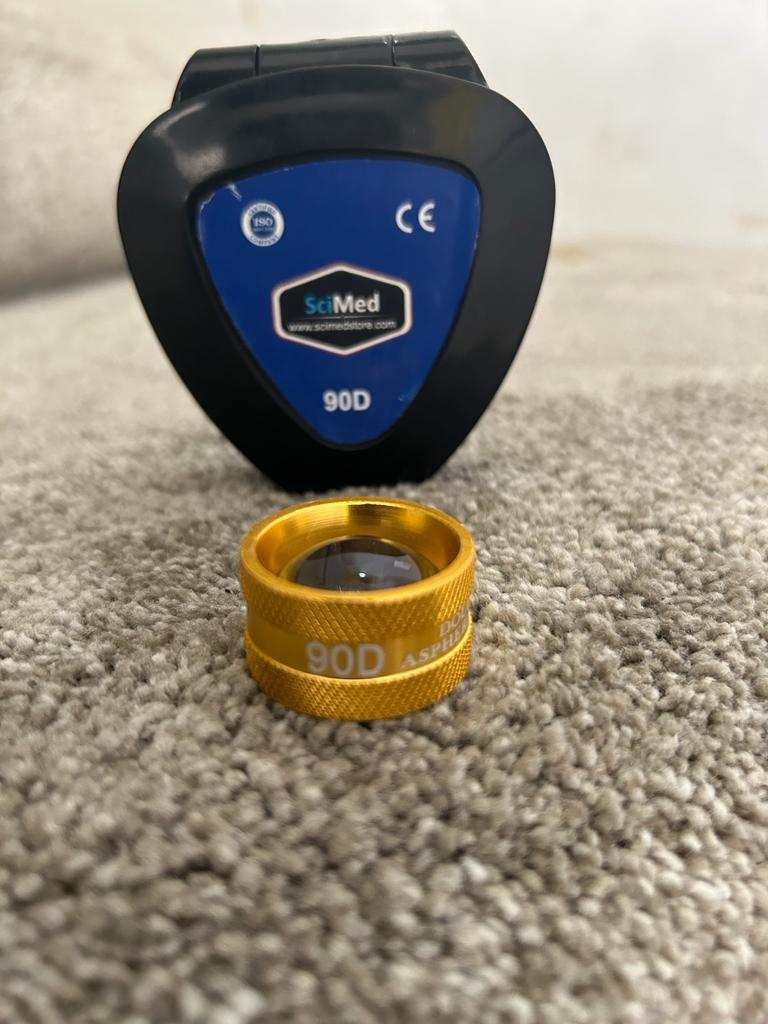
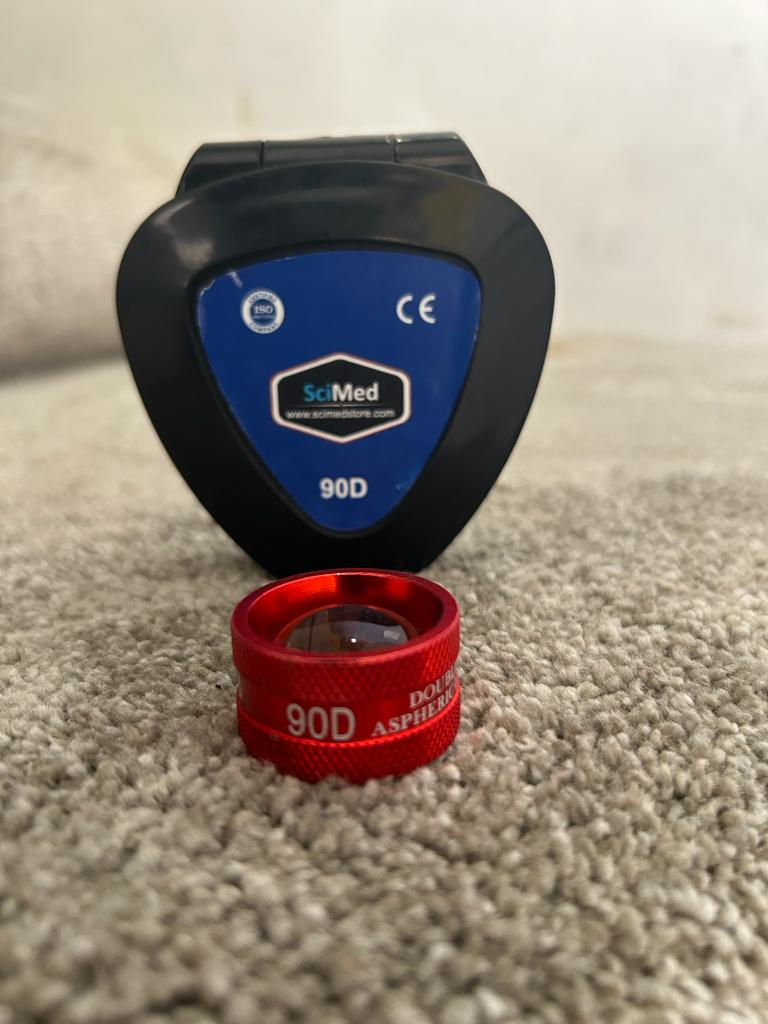
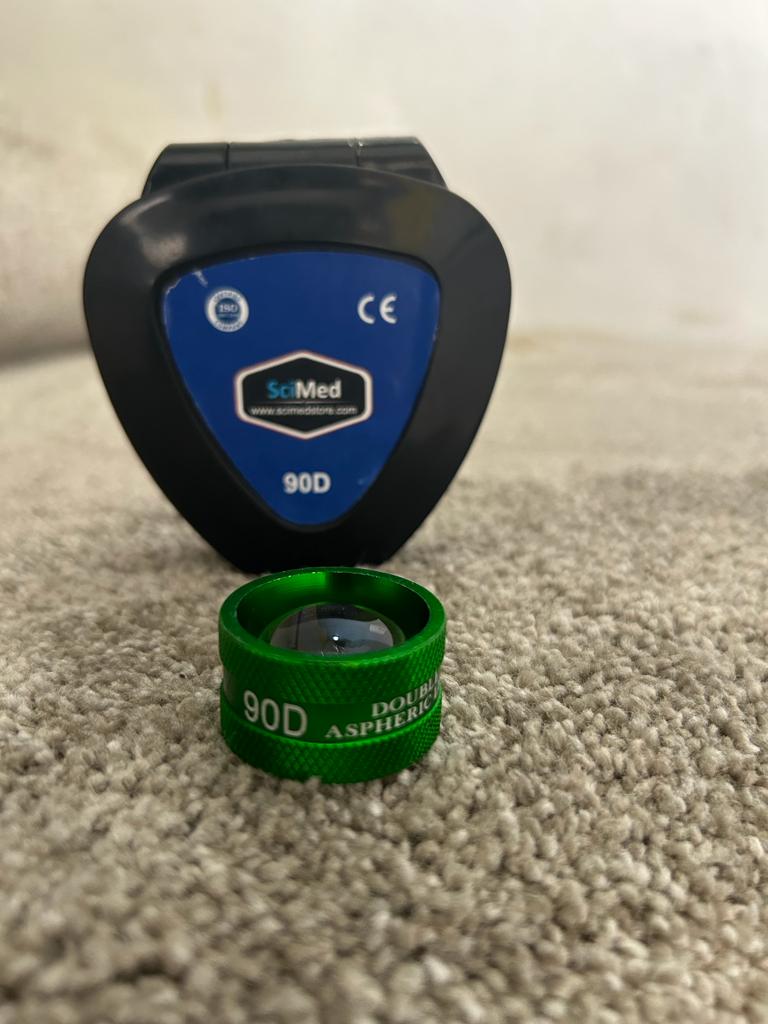
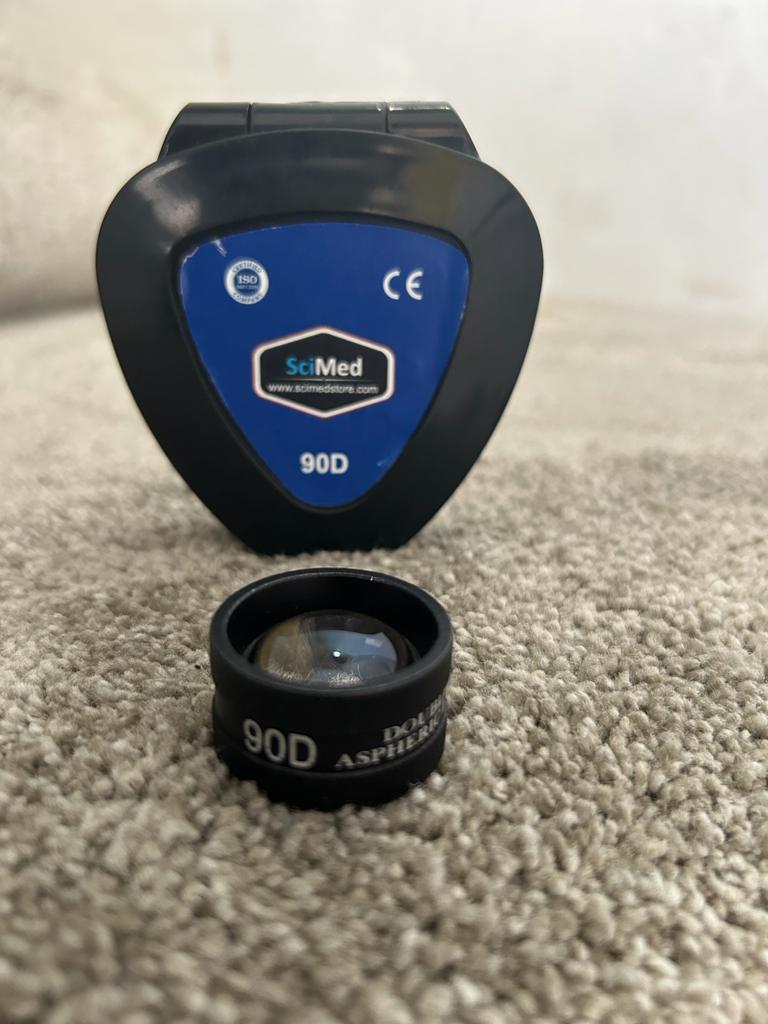
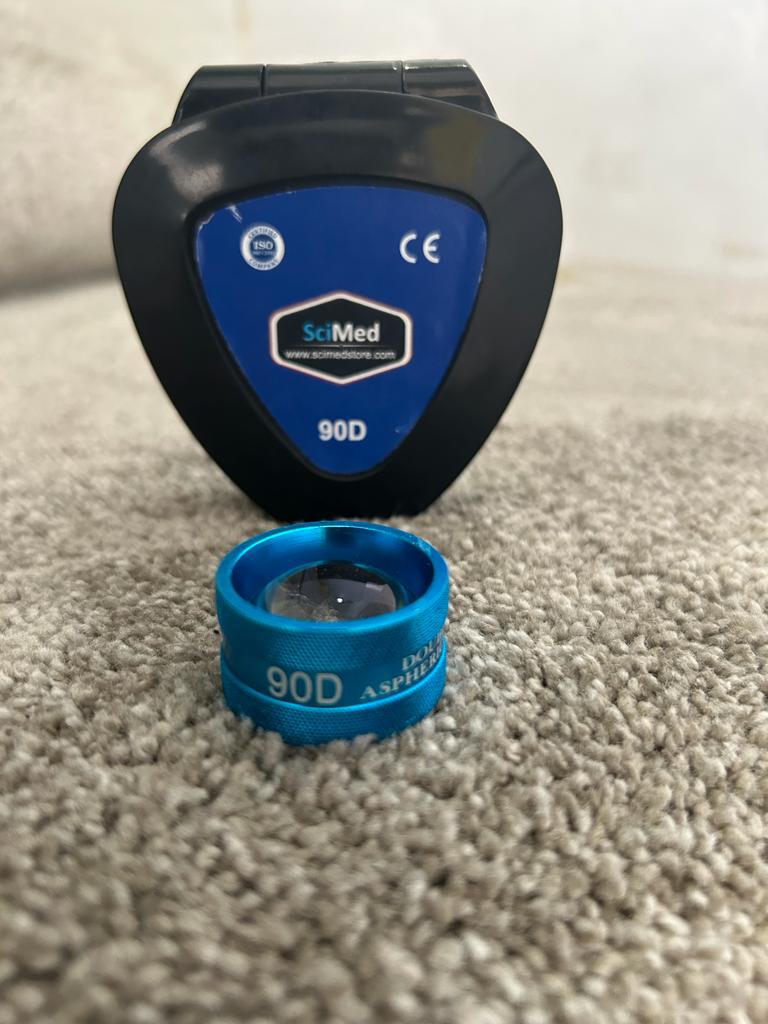
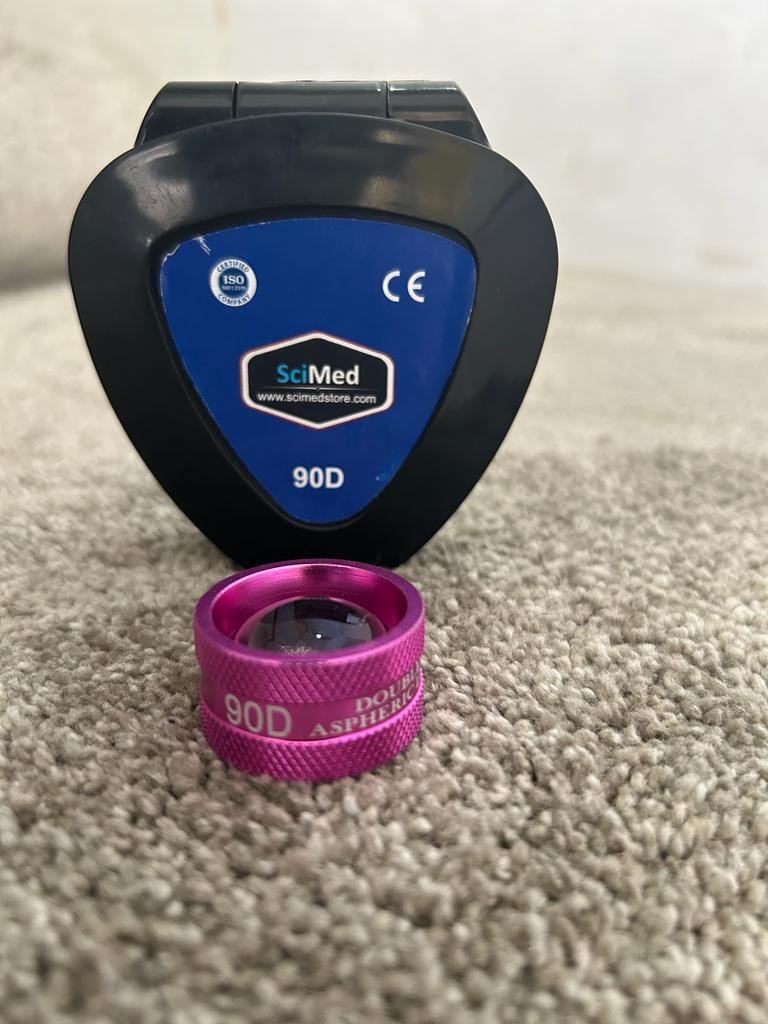
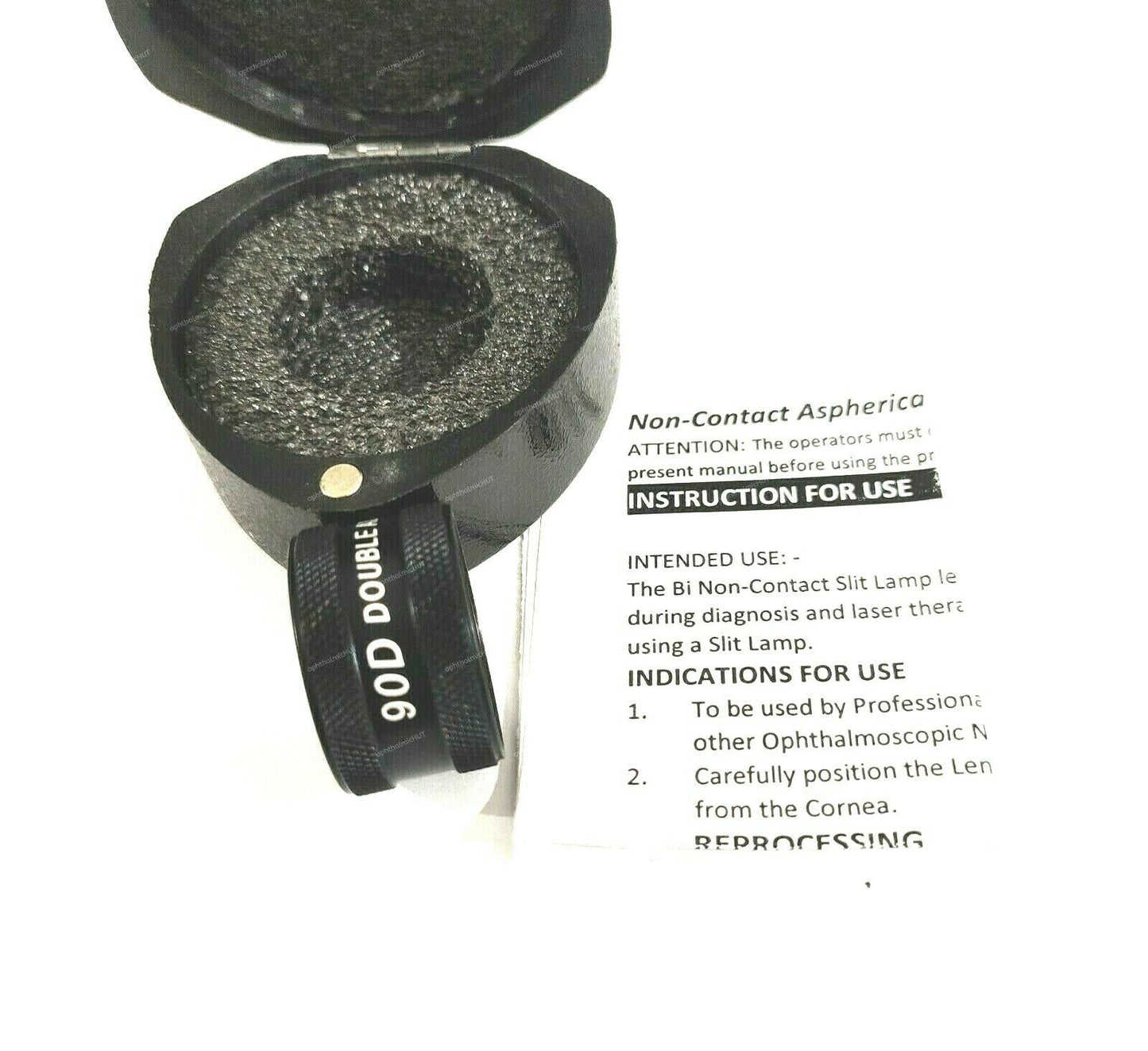
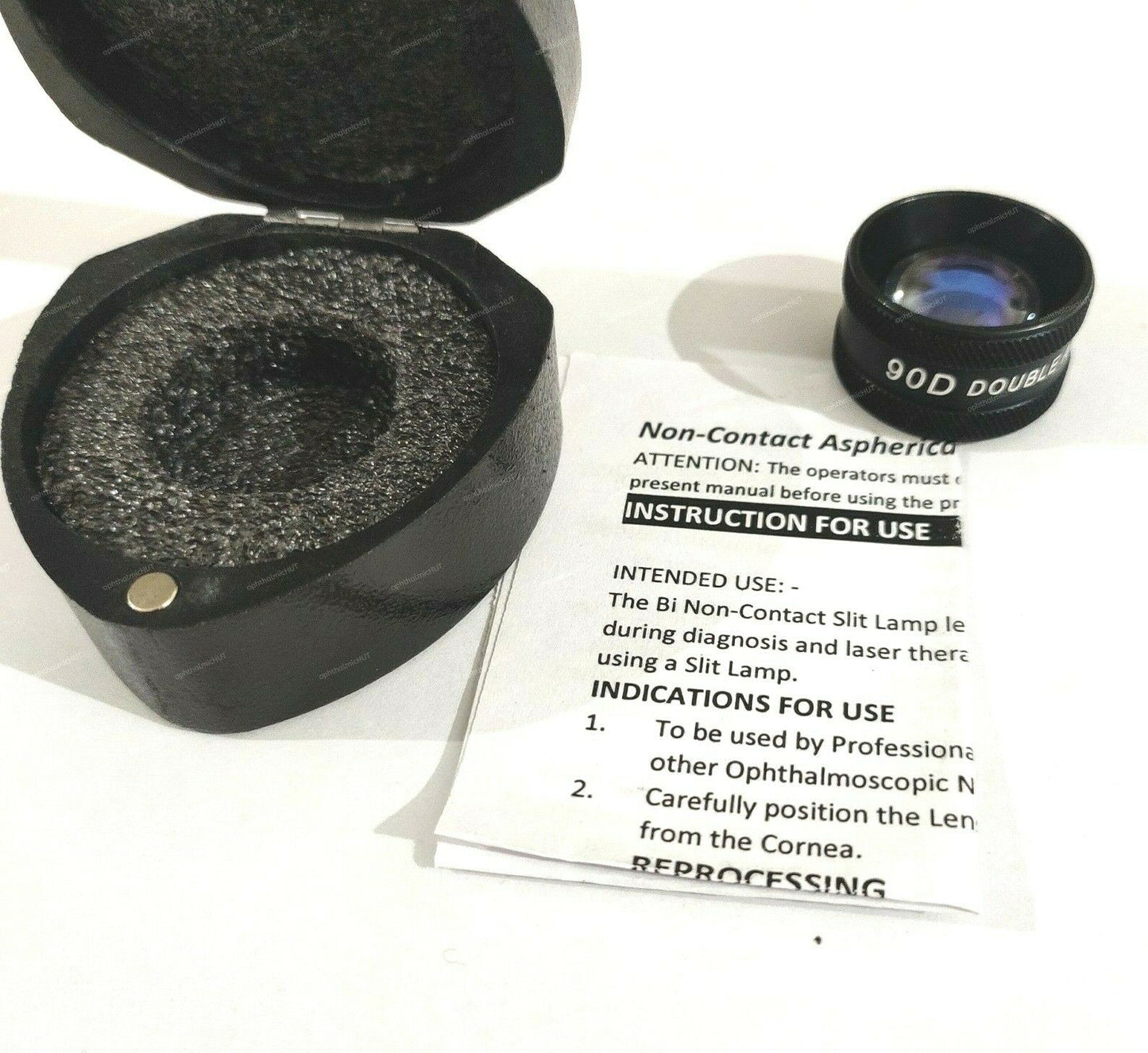
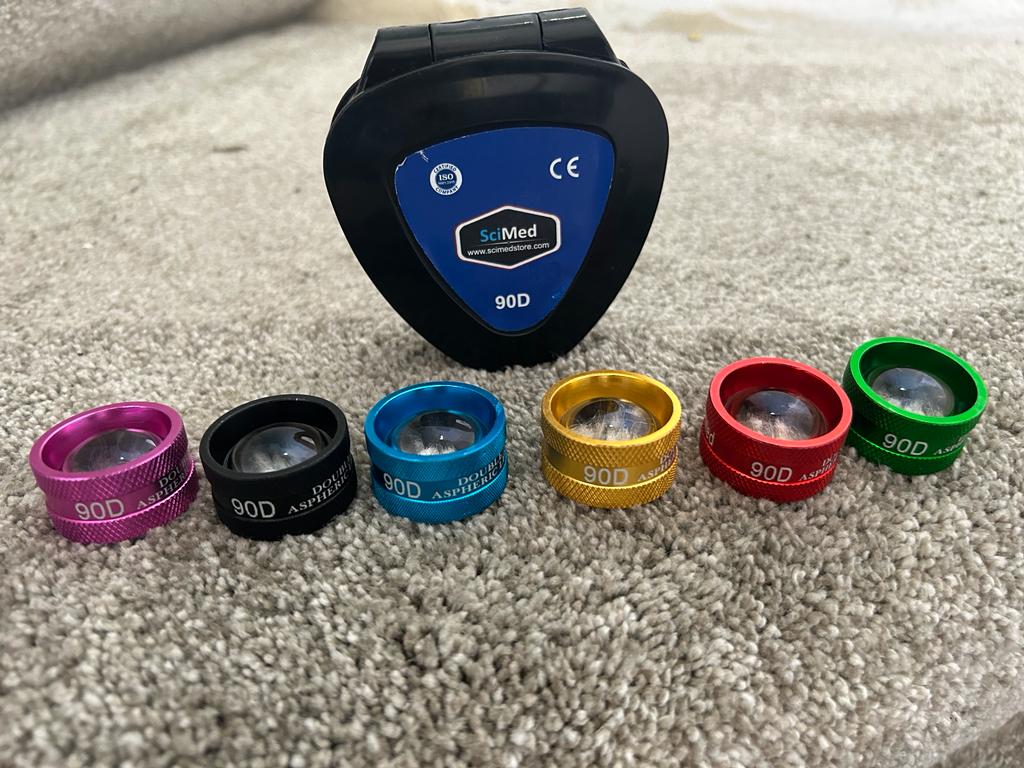
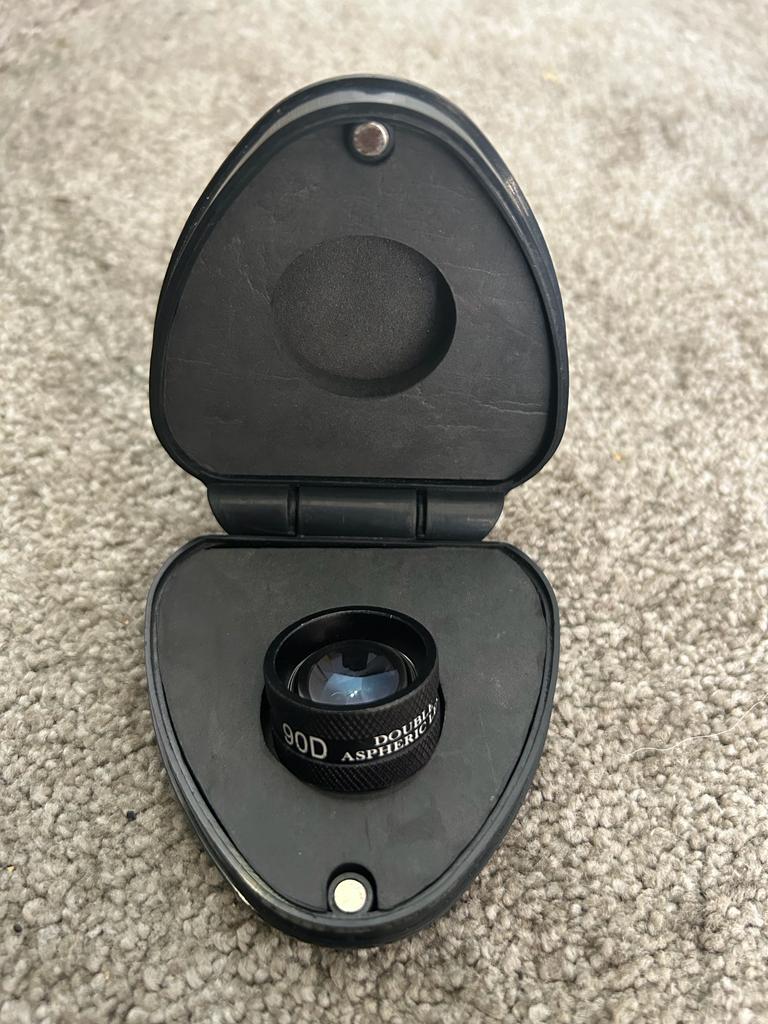
90D Double Aspheric Lens – 48mm Aperture, Anti-Reflection Coated
90D Double Aspheric Lens – 48mm Aperture, Anti-Reflection Coated
Couldn't load pickup availability
90D double aspheric ophthalmic diagnostic lens — the industry-standard workhorse for slit-lamp indirect biomicroscopy of the fundus, optic nerve, and posterior segment. Double aspheric glass optics deliver clear high-magnification imaging (2.97× image mag) corrected for field curvature, astigmatism, spherical aberration, and coma. 48mm aperture + 50° field of view + 47mm working distance = wide fundus survey plus dynamic optic-nerve stereo evaluation. Anti-reflection multi-layer coated. Non-contact (patient comfort — no corneal touch, no anaesthetic drop). $99.99 direct — versus $250-$450 for Volk V90C / Ocular MaxLight / Nikon 90D branded equivalents.
Applications
- Slit-lamp fundus biomicroscopy — the primary daily-use tool for posterior segment exam in every eye clinic
- Optic nerve evaluation — cup-to-disc ratio, rim analysis, glaucoma surveillance (the 90D's high mag beats the 78D for optic-nerve detail)
- Diabetic retinopathy screening — macula + peripheral hemorrhages + microaneurysms + exudates
- Macular disease evaluation — AMD (dry + wet), macular hole, epiretinal membrane, CSR
- Vitreous exam — vitreous hemorrhage, PVD, floaters
- Retinal tears + detachment surveillance — with scleral depression or wide-field lens combo
- Post-vitrectomy follow-up — post-op posterior segment assessment
- Pediatric fundus exam — non-contact + high mag makes it comfortable for kids (no coupling gel needed)
- Optometry teaching + residency training — the first indirect fundus lens every trainee learns on
Specifications
| Lens power | 90 diopters (D) — high-magnification indirect biomicroscopy |
|---|---|
| Aperture | 48 mm — one of the widest apertures in the 90D class |
| Image magnification | 2.97× |
| Field of view (static) | 50° (dynamic FOV extends further with lens tilt) |
| Working distance | 47 mm — comfortable ergonomic slit-lamp posture |
| Optics | Double aspheric glass — corrects field curvature, astigmatism, spherical aberration, and coma simultaneously |
| Coating | Anti-reflection multi-layer coating (reduces glare + improves contrast + patient comfort in bright slit-lamp illumination) |
| Contact | Non-contact (patient comfort — no anaesthetic drop, no coupling gel, no corneal risk) |
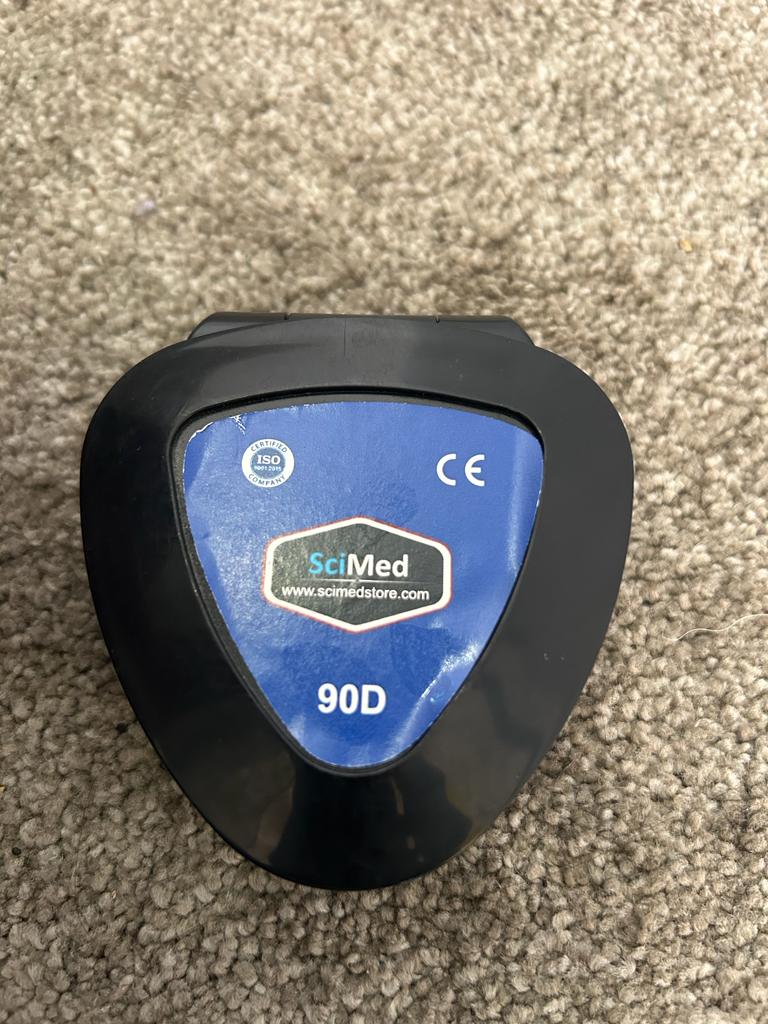
| Case | Includes hard protective storage case |
90D vs 78D vs 60D — which do you need?
| Lens | Field of view | Image mag | Best for |
|---|---|---|---|
| 60D | ~68° | 1.15× | Highest magnification, narrower field — optic nerve detail + macular pathology microscopy. Slower to use, less forgiving to align. |
| 78D | ~81° | 0.93× | Widest field — peripheral fundus survey, retinal tear + detachment screening. Lower mag = less detail resolution. |
| 90D (this lens) | 50° static / ~74° dynamic | 2.97× | The daily-use workhorse — balances field + mag for general fundus, optic nerve, macula. Best "first lens" for residents + general practice. |
Comparison to premium branded 90D lenses
| Brand / Model | Power | Aperture | Coating | Price |
|---|---|---|---|---|
| Volk V90C | 90D | 44mm | AR + antifog | $425-$525 |
| Ocular MaxLight 90D | 90D | 47mm | Ocular's OQM coating | $350-$450 |
| Nikon 90D | 90D | 45mm | Nikon multi-coat | $275-$375 |
| SciMed 90D | 90D | 48mm (widest) | AR multi-layer | $99.99 |
Best for
- Ophthalmology + optometry practices (essential first fundus lens)
- Optometry + ophthalmology residency programs (teaching lens for indirect biomicroscopy)
- Community + rural eye clinics (cost-effective diagnostic tool)
- International eye NGOs — Aravind, LV Prasad, Fred Hollows, Sightsavers, ORBIS
- Backup / spare lens for busy multi-lane practices
- Pediatric ophthalmology (non-contact = child-friendly)
- International DDP procurement for global eye-care programs
Buying for a practice, residency, or eye NGO?
- Volume pricing on 3+ lenses (equip multi-provider practice or residency cohort)
- Net-30 invoicing for verified academic + NGO + practice accounts
- SAM.gov / VA compliant for federal + academic ophthalmology procurement
- Bundle with 20D + 78D + Gonioscope lenses — SciMed complete fundus + angle exam kit at package discount
- International DDP shipping — global eye NGO + academic ophthalmology procurement
FAQ
Which fundus lens should a new optometrist / ophthalmology resident buy first?
90D. Universal recommendation. Wide enough FOV for general survey, high enough magnification for optic nerve + macula. 78D is second (for peripheral screening once you're comfortable with 90D). 60D is a specialist third lens (for detailed macular pathology). Start with 90D — this SciMed 90D specifically is a value-optimal starter lens at $99.99.
How does this compare to Volk 90C?
Volk V90C is the industry gold standard — 20+ years of professional use, premium AR + antifog coating, tight machining tolerances. This SciMed 90D matches the optical prescription (90D double aspheric) + has a wider 48mm aperture (vs Volk's 44mm — actually a small advantage for peripheral view). Volk's coating longevity + longer warranty are the meaningful differences. Price differential: $99.99 vs $425-$525. For residency starter + community clinic + NGO + international market, SciMed hits the value sweet spot. For flagship-practice daily-driver where the lens gets 20+ patients/day, invest in Volk.
Care + cleaning?
Between patients: wipe with lens tissue + optical cleaner (Kim-Wipes + methanol, or optical-grade lens cleaning solution). Between clinical sessions: soft brush + puff air to remove dust. Never touch the lens surface with fingers — skin oils degrade the AR coating. Store in included hard case when not in use. Do NOT use alcohol-based clinical disinfectants on the lens (degrades coating) — only lens-cleaning-specific solutions.
Sterilization?
Non-contact lenses don't need sterilization between patients (no patient contact). If accidentally touched (e.g., eyelash brush), wipe with optical cleaner. Do NOT autoclave (destroys AR coating + glass), do NOT immerse in liquid disinfectant.
Share